Ski China
ENQUIRE
Timber teahouse and snow-covered mountains in winter

Discover — Beyond Ski

When skiing entered a whole civilization

In China, skiing is not only a winter sport, but also a way to access a multi-layered civilization.

Scroll

From the snow-covered forests of Northeast China to the vast mountains of Xinjiang, and then to the modern skiing systems of Beijing and Chongli, each snow-covered region carries a different cultural structure and spatial logic.

Each snow-covered region not only provides skiing conditions, but also offers a way of understanding the relationship between nature, city, and history.

Here, skiing is not just a sport, but a way of traveling that transcends nature and culture; skiing is not just about speed and slope, but about how to perceive the switching between different worlds on the same journey.

  • Northeast China | The Essence of Winter Life in China

    Where winter becomes everyday life

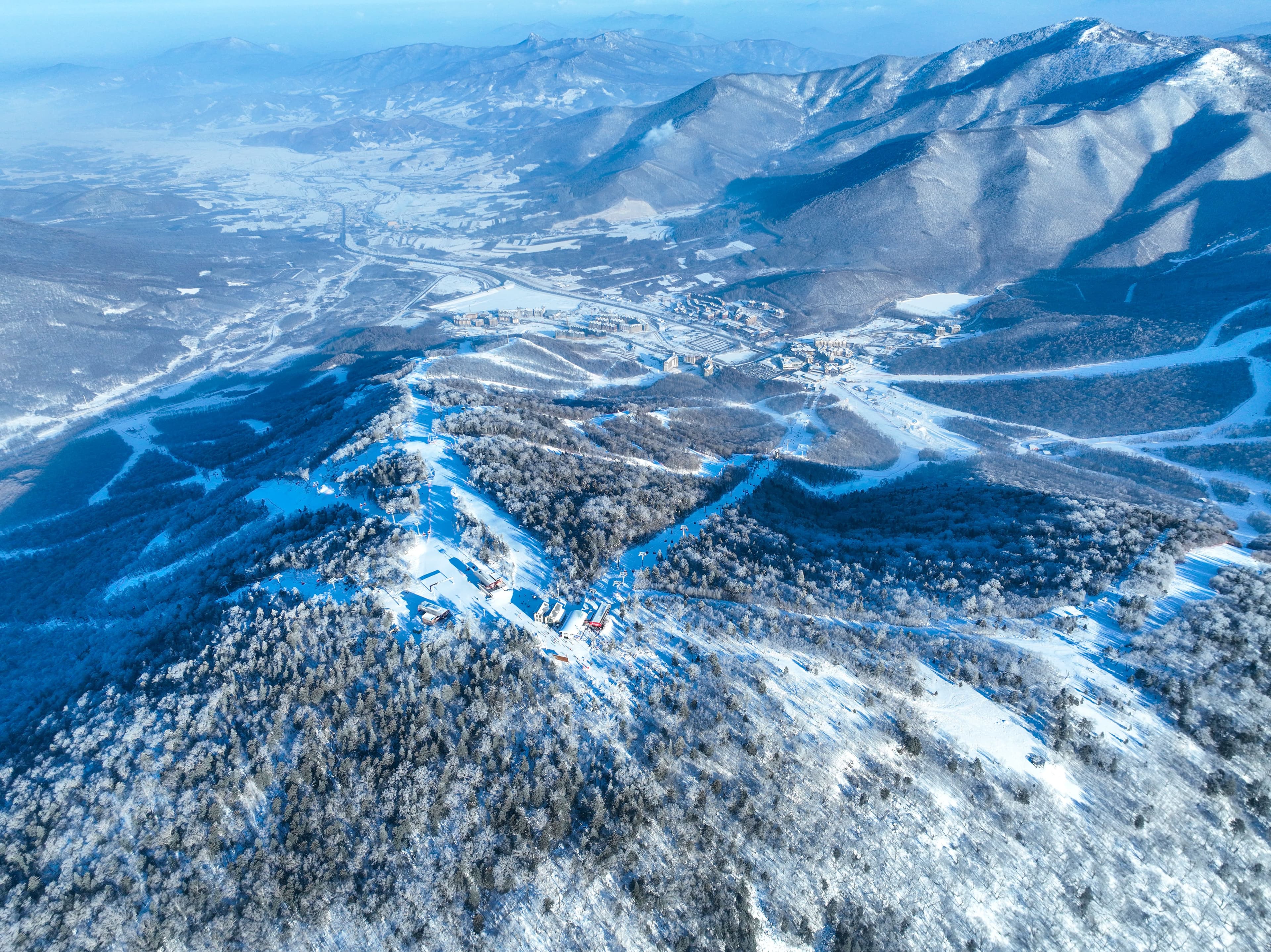
    Northeast China | The Essence of Winter Life in China

    Winter in Northeast China transforms the land into a wonderland of snow and ice. The long and stable snow season allows you to combine an all inclusive skiing vacation with a wealth of unique culture not found anywhere else on earth. Winter here doesn't just happen at the ski resorts; it extends into the city and the fabric of daily life. From indoor heating systems to high-calorie food, culture and winter festivals. For example, the Harbin International Ice and Snow Festival transforms the entire city into an ice and snow art space, making winter a totally unique cultural experience. In Northeast China, skiing is an integral part of life, almost an extension of nature.
  • Where mountains define the rhythm of life

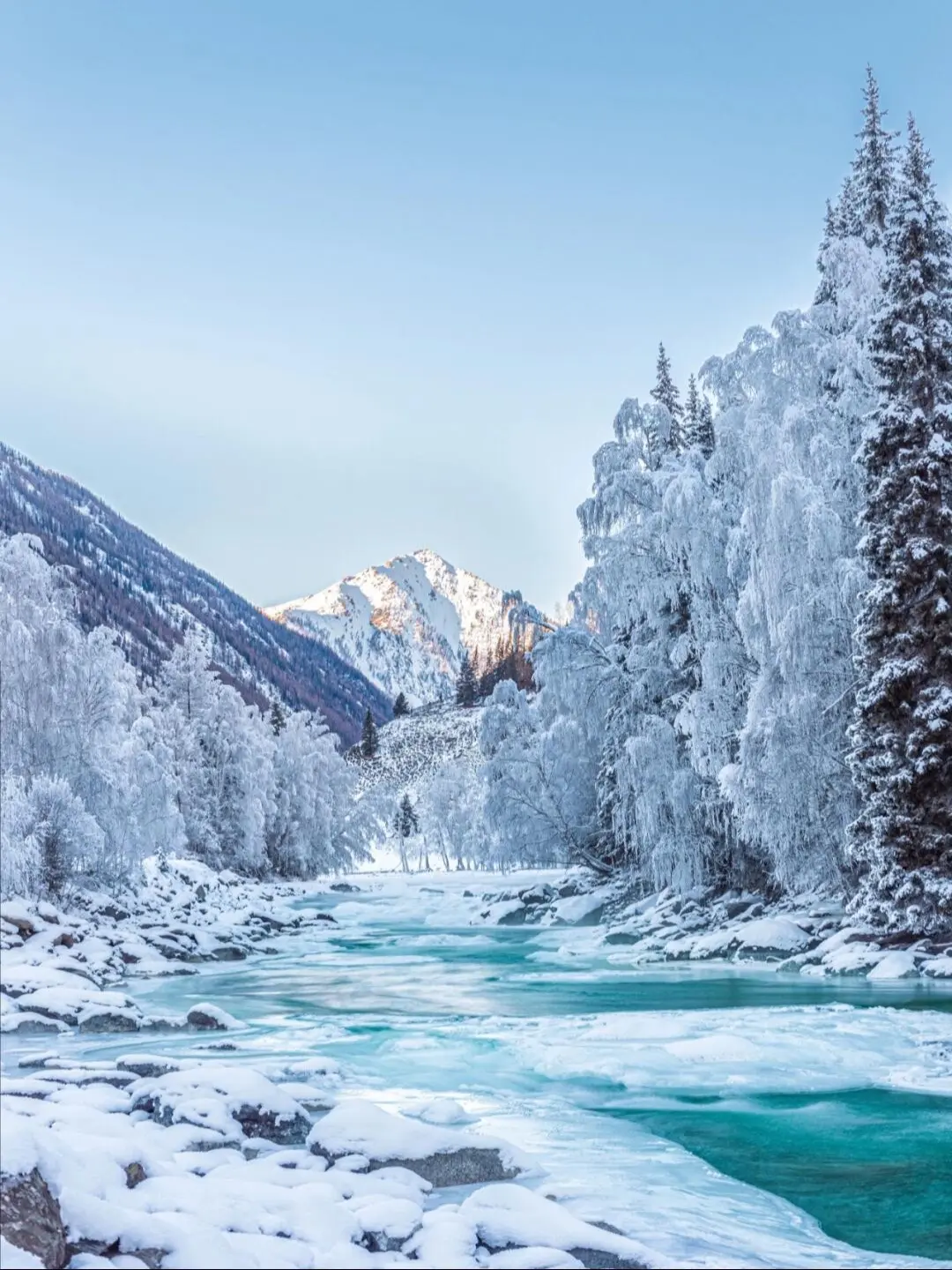
    Xinjiang | Giant powder covered mountains and the birthplace of skiing.

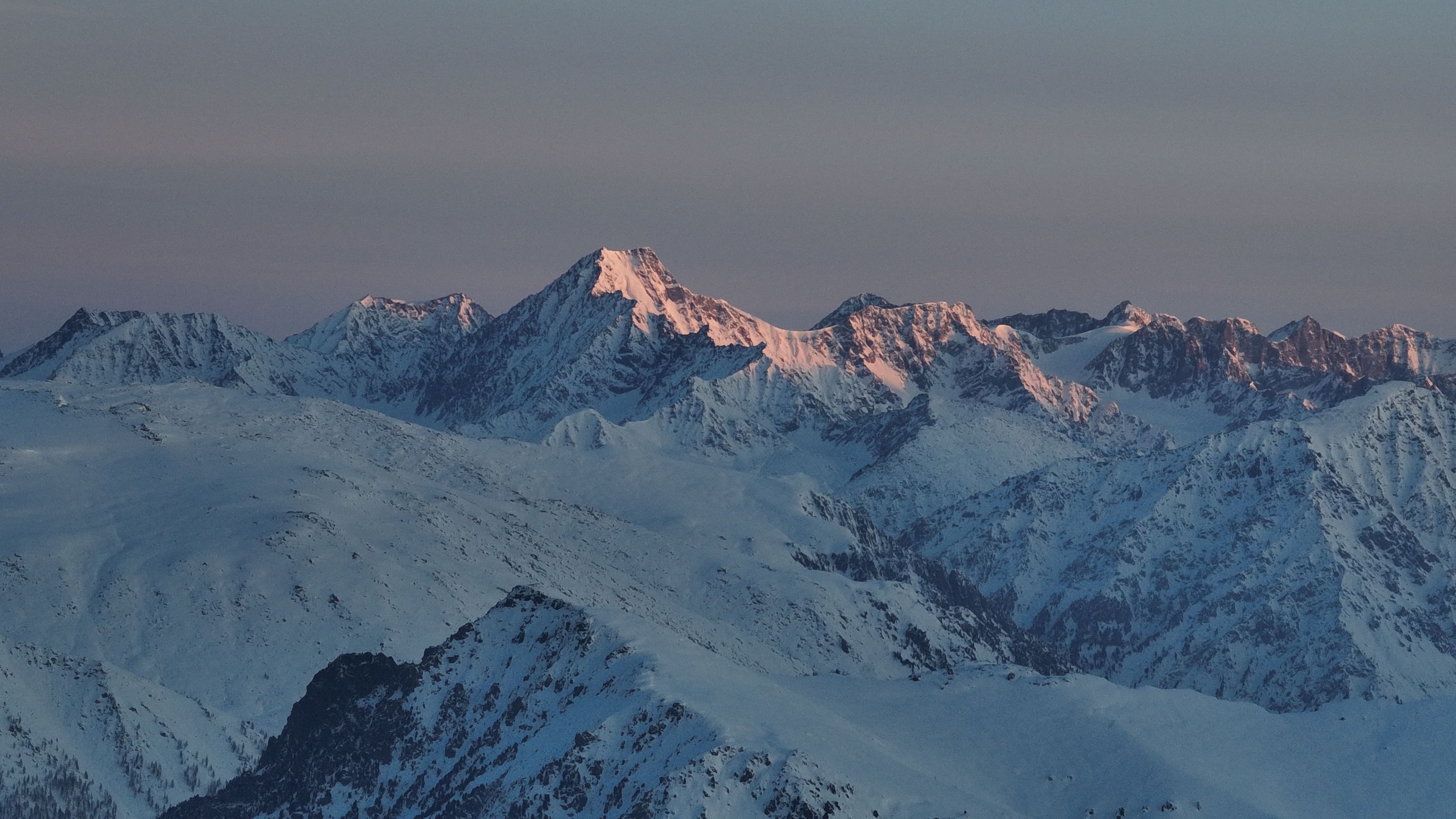
    Skiing in Xinjiang is about big mountains and adventure with Altay being known as the birthplace of skiing. It boasts one of China's most extensive mountain regions, with a dry climate, deep powder snow and incredible views, creating a skiing environment with a remarkable sense of scale. The cultural background stems from a long-standing nomadic lifestyle, as exemplified by the Kazakhs and Tuvans. Their lives are closely intertwined with snow-capped mountains, migrations, and seasonal changes, resulting in a strong dependence on nature in the mountain culture of this region. In Xinjiang, skiing is closer to a direct connection between the people and the environment. It's so much more than a ski vacation experience.

    Xinjiang | Giant powder covered mountains and the birthplace of skiing.
  • Beijing & Chongli | The Core of China’s Modern Ski Industry.

    Where big city life meets alpine terrain

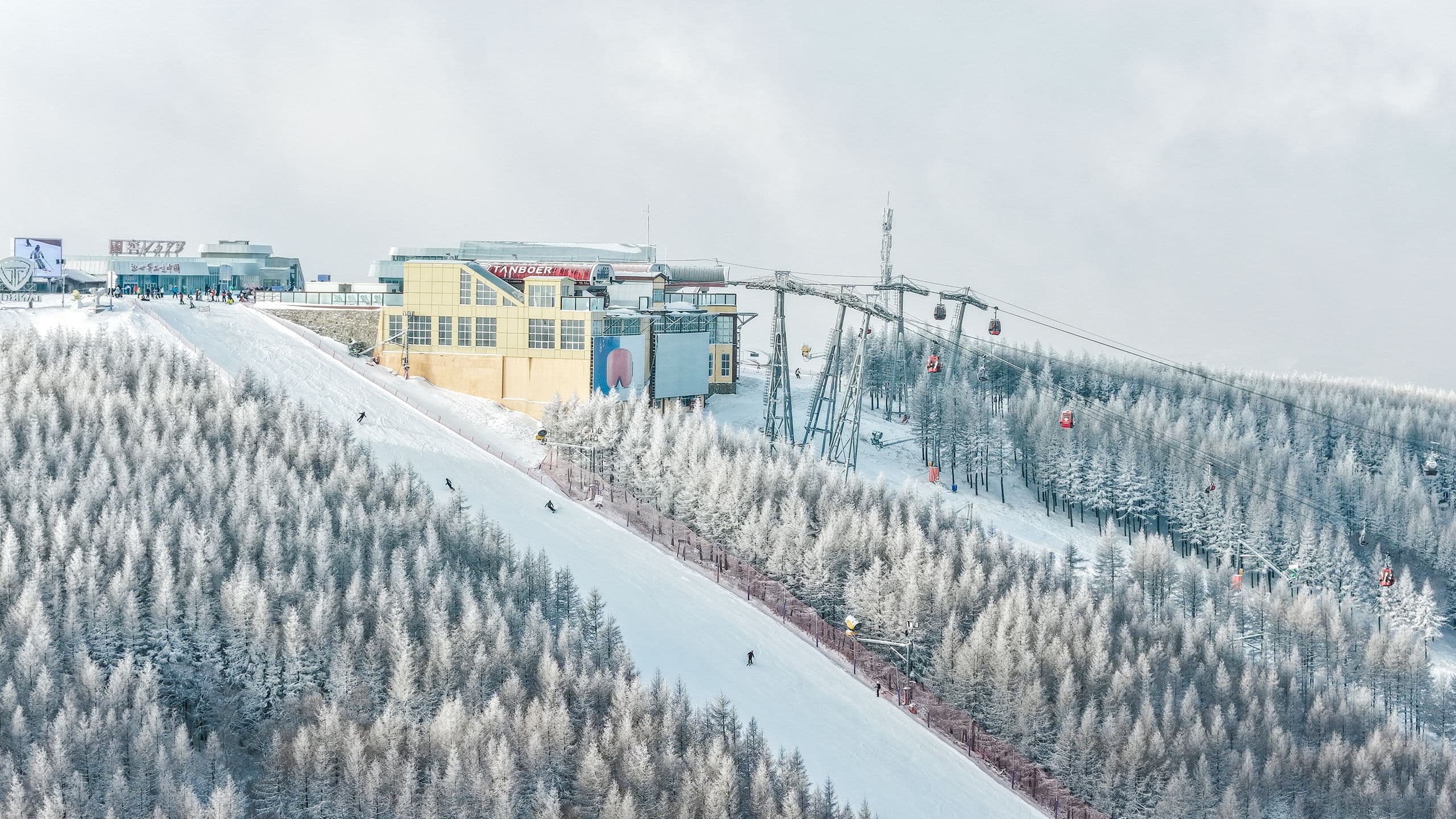
    Beijing & Chongli | The Core of China’s Modern Ski Industry.

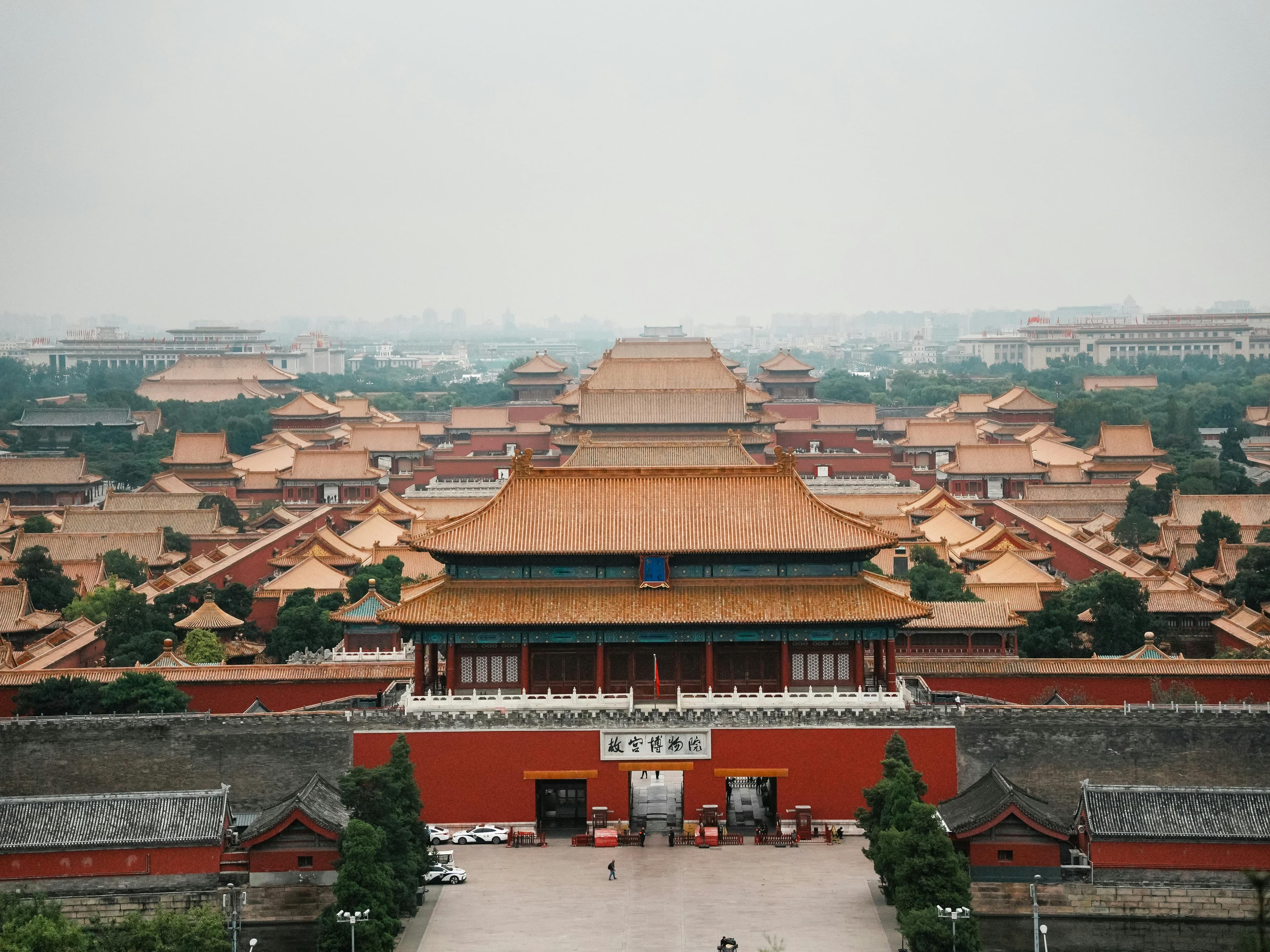
    Chongli, just a few hours drive from Beijing, is the core area of ​​China's modern ski industry. The major venue for the 2022 Beijing Winter Olympics, it has developed into a complete skiing infrastructure and resort cluster. Within the same holiday , you can start from a city, enter historical spaces such as the Forbidden City or the Great Wall, and then transition to a modern ski resort environment. This transition between "city-culture to the mountains" is one of the most unique experiences in Chinese skiing. Chongli represents a new skiing lifestyle: efficient arrival, a super organised vacation experience, and seamless transportation from mega city to ski resort and return.

  • Architecture shaped by order, landscape, and climate

    Chinese Architecture, Culture and Winter Experiences

    Chinese architecture not only shapes visual forms but also spatial logic, and directly influences winter lifestyles. The architectural system represented by the Forbidden City embodies strict axial symmetry and hierarchical order, emphasizing pathways and a sense of ceremony; while the Great Wall reflects a construction logic that follows the contours of the mountains, integrating the architecture with the natural terrain. In northern Chinese traditional dwellings and modern ski resorts, this logic further evolves into enclosed living spaces and ski-in/ski-out resort flow. Architecture is part of the rhythm of winter life.

    Chinese Architecture, Culture and Winter Experiences
  • Taste shaped by climate and region

    Winter Food Culture

    Taste shaped by climate and region

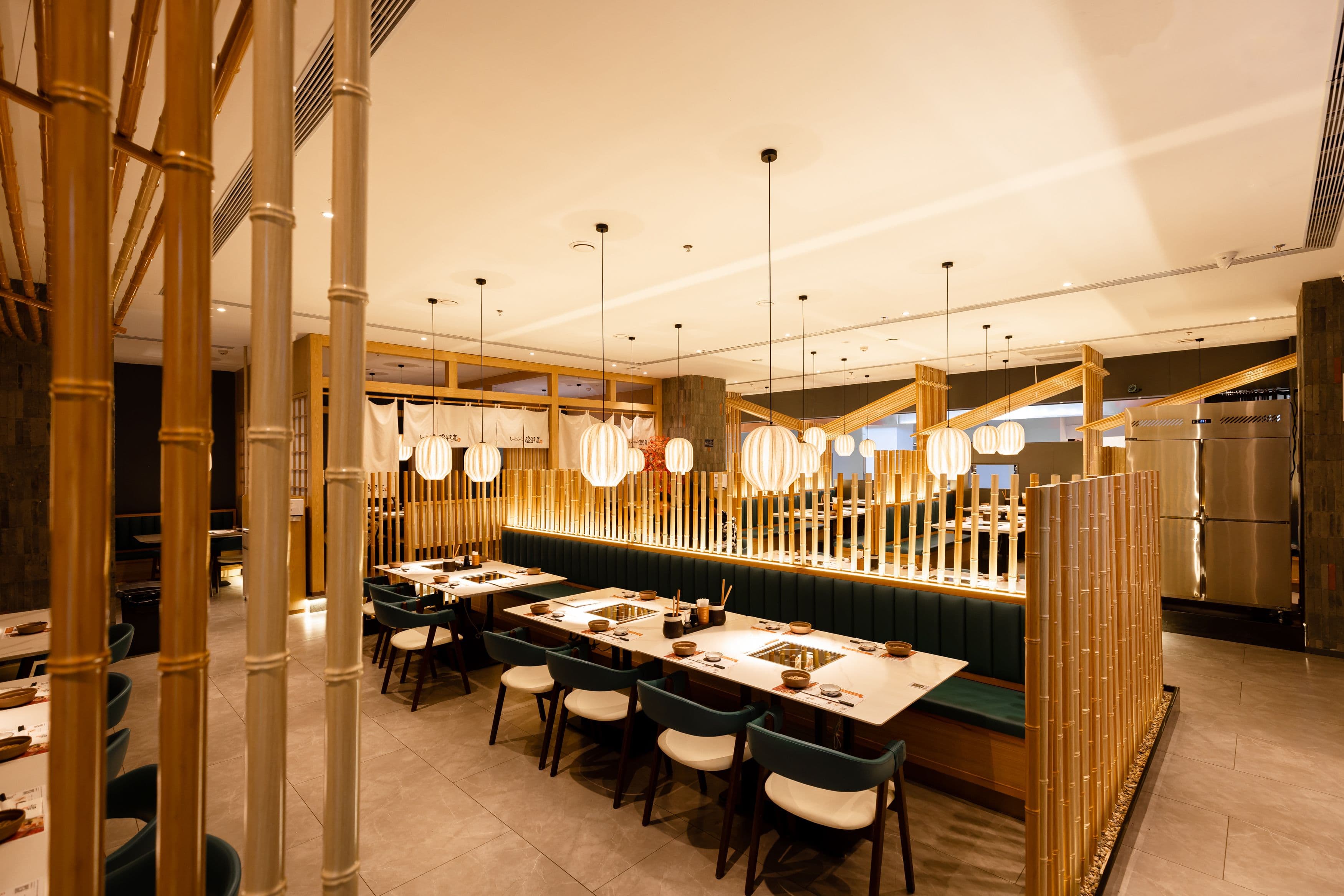
    Winter food in China is not only a source of energy, but also an important expression of regional culture. In Northeast China, iron pot stew and sweet and sour pork emphasize calories and a sense of abundance. In Xinjiang, roasted lamb skewers and braised chicken showcase strong flavours and an outdoor spirit.I n Beijing, Peking duck represents a classic expression of the city's culinary culture. The dietary styles of the different regions are deeply intertwined with climate and lifestyle, and also represent an important extension of the Chinese skiing experience.

  • Heat and cold in natural rhythm

    Hot springs and winter relaxation and recovery

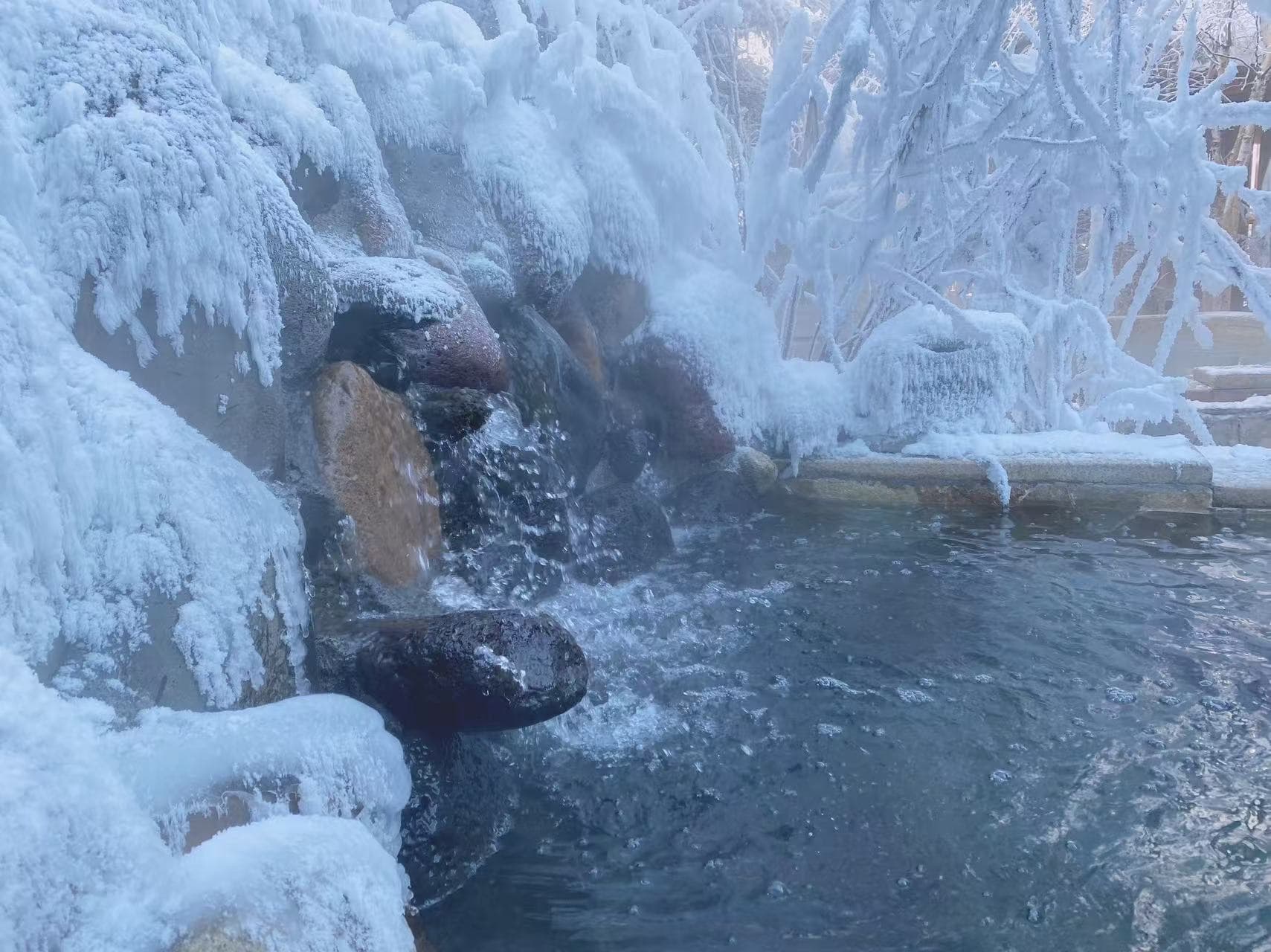
    In the Chinese winter experience, the coexistence of cold and heat creates a unique rhythmic structure. Entering a warm space after skiing is not just about physical recovery, but a natural transition from a state of exercise back to the rhythm of life. In Northeast China, hot springs often coexist with the snowscapes, creating a striking contrast between the extreme cold outdoors and the warmth indoors. In mountain resorts, the hot spring system is integrated into hotels and ski routes, making recovery a part of the journey rather than a separate element. This structure makes the winter experience more complete: skiing, resting, and recovering, all part of the Chinese winter experience.

    Hot springs and winter relaxation and recovery
  • Lifestyle and Expression

    From sport to personal expression

    Lifestyle and Expression

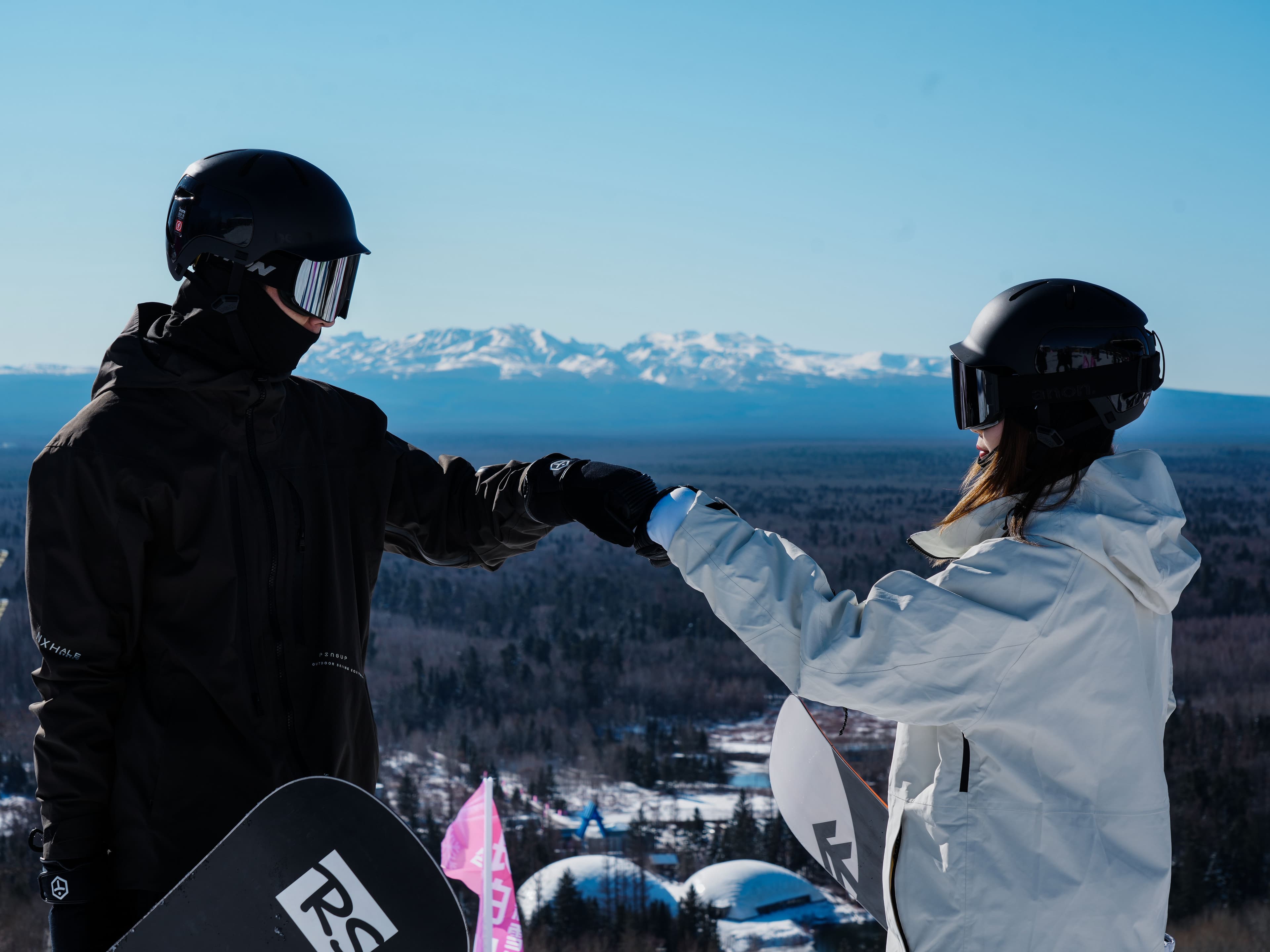
    In China, skiing is not only a sport, but also a way of life that can be expressed. This expression extends beyond the ski slopes. Ski attire becomes part of personal style, ski resorts become spaces for social interaction and visual creation, and winter travel itself is gradually becoming a content-driven experience. Thanks to the influence of social media, skiing is no longer just an activity, but also a way to record and share. From climbing the mountain at dawn to the illuminated ski resort at night, and then to the continuation of winter in the city, the whole process forms a continuous visual narrative. Snow-capped mountains are not only a space for sports, but also an open space for expression - people experience nature and express themselves here.

Ready to sketch a winter that is not only skiing?

Tell us how you like to travel — we will shape the mix of snow, culture, and downtime.